
It’s where we pour out all our ideas at once.
Where our characters breathe in run-on sentences and cringe-worthy dialogue. Sometimes they’re overpowered and the story gives ‘taking a breath’ their own two paragraph length soliloquy.
What am I talking about? What is this thing that allows us to give our stories their first breath?
That first draft.
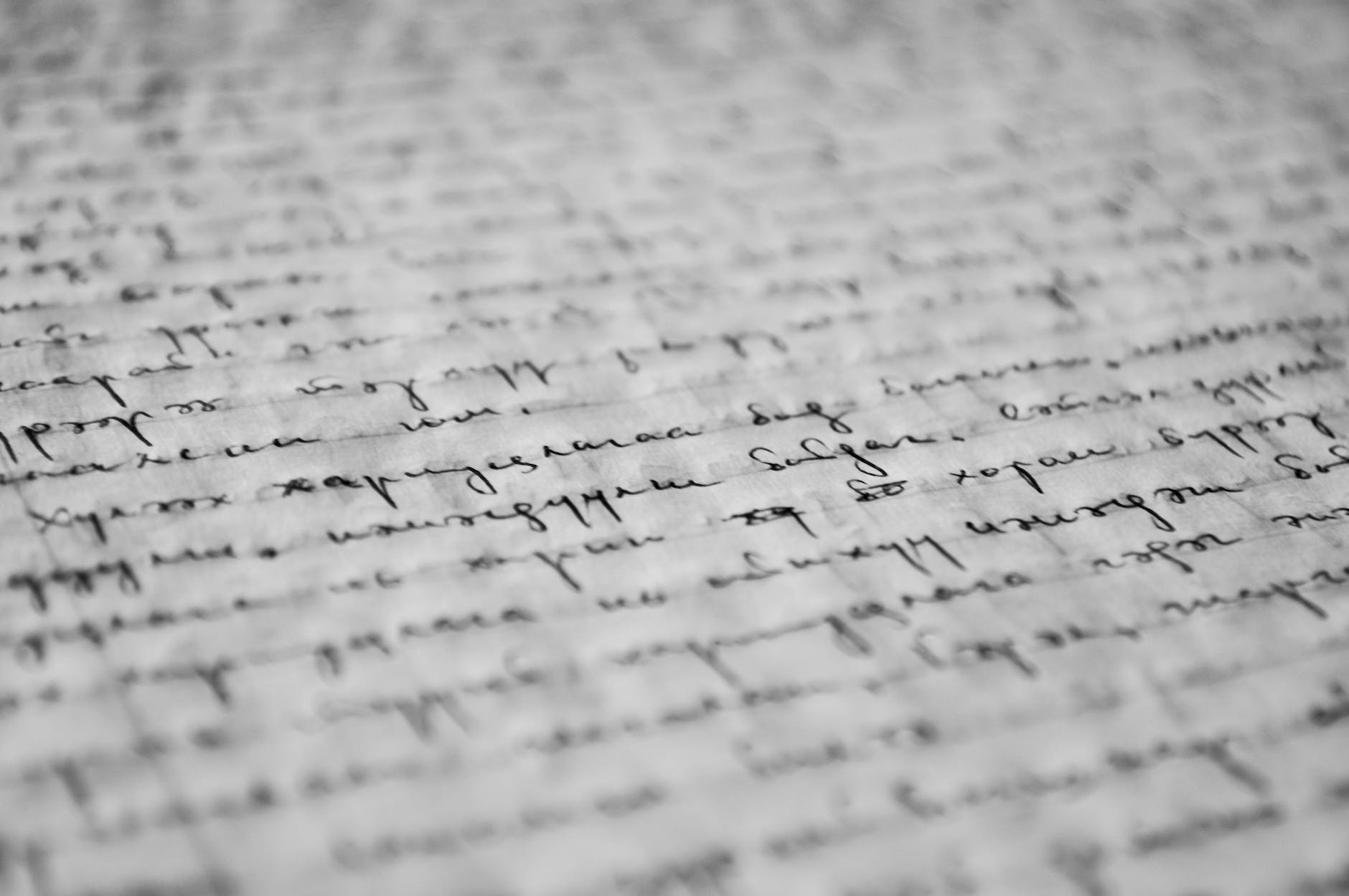
When you begin any story, whether a novel, short story, flash fiction, or even an essay for school, you start with that first draft. Sometimes, it’s bullet points for those of you who appreciate the structure and organization. Other times, it’s notes of one scene or character names, ideas, and whatever else may come to mind. For every approach, know not that every first draft will not be perfect. It will be perfect enough for you to lie out the groundwork, though.
How do I start?
The ideas that ruminate in your brain need a place to stay. Get a piece of paper, your laptop, or even your phone. Write down those ideas.
For me, I like to use sticky notes or the notes app on my phone. It comes in handy, especially if I’m grocery shopping, or out and about and can’t get to my computer or a notebook. (I tend to keep a small notebook with me from time to time wherever I go. Even if I use it or not is up to me and my brain.)
All grand stories start somewhere, and having a place to write it down, no matter where you write it, will help you all the better when you get your story together.
What if I want to edit my first draft?
There are differing opinions on this. For some, they advise you not to and to keep on writing. Others say to edit this line or rewrite here and there. Or delete a whole paragraph or line to keep the ideas flowing.
For me, I definitely rewrite and edit throughout the first draft. Because of this, the first draft takes longer to write. The story can feel stagnant or I’ll get to a point and tell myself: wow, this really sucks, doesn’t it? Doesn’t help that I get distracted easily by either my surroundings, or many other ideas and stories, and get that urge to edit and rewrite entire chapters.
What would I suggest to newer writers then? Do your best and try to write on through. Don’t worry if you can’t write out complete scenes. Little notes, whether one-worded or a phrase, are a part of your draft, and can help you write out those scenes in full in later drafts.
How long do first drafts have to be?
As long as you need them to be. Like I said, it both depends on the project you’re working on (novel, short story, essay, paper), and on what works for you best. For a novel (50k-100+k words), you may need the length of a novel, or perhaps you only need a few pages full of notes and bullet points or summaries of each chapter. For short stories, the same may apply, but instead of the length of a novel, it’d be the normal length of a short story (10k words).
Your brain is your brain, so please don’t compare how it works to others. How someone else’s first draft is, and the length it may be, will probably not be what you need for your story.
What if I don’t use the first draft?
That’s okay if you don’t. For many, the first draft can simply be a way for you to get your thoughts out. And when you begin the second draft, may be when you feel the story begins. I set many of my first drafts aside (ones I haven’t used to further develop my writing). It was nice to have them at first, letting my characters and plot breathe as they wanted. But then, when I sat down to write the second draft, I set my first draft aside. Still proud of it in all of its glory, but I also knew that while it served a purpose initially, that it was okay to not use it.
Can my second draft become my first draft?
Yes, absolutely. Especially if you’re starting from scratch again. Don’t be afraid to start over if you need to. While not all ideas are bad ones, some won’t quite fit with the story you’re going for.
Can I really write a first draft?
I know you can, and you’ve most likely have already. Every paper you’ve ever written in school, any note or even a text message you wrote, had an initial idea or first draft to it before you’ve completed it.
Every story has its beginning, and it’s up to you to start it. Begin your story the way you need and want to. And know that when you’re ready to share it with others, that it is just another wonderful part of your writing journey.
 S. L. Martinez | Dark Fantasy Author & Book Editor
Leave a comment